- How to Create Optimal Drying Conditions for Paint
- What Application Techniques Speed Up Paint Drying?
- What Paint Additives and Products Accelerate Drying?
- How Do Different Paint Types Affect Drying Time?
- Using Specialized Tools to Speed Up Paint Drying
- Important Considerations for Faster Paint Drying
- Similar posts:
How to Create Optimal Drying Conditions for Paint
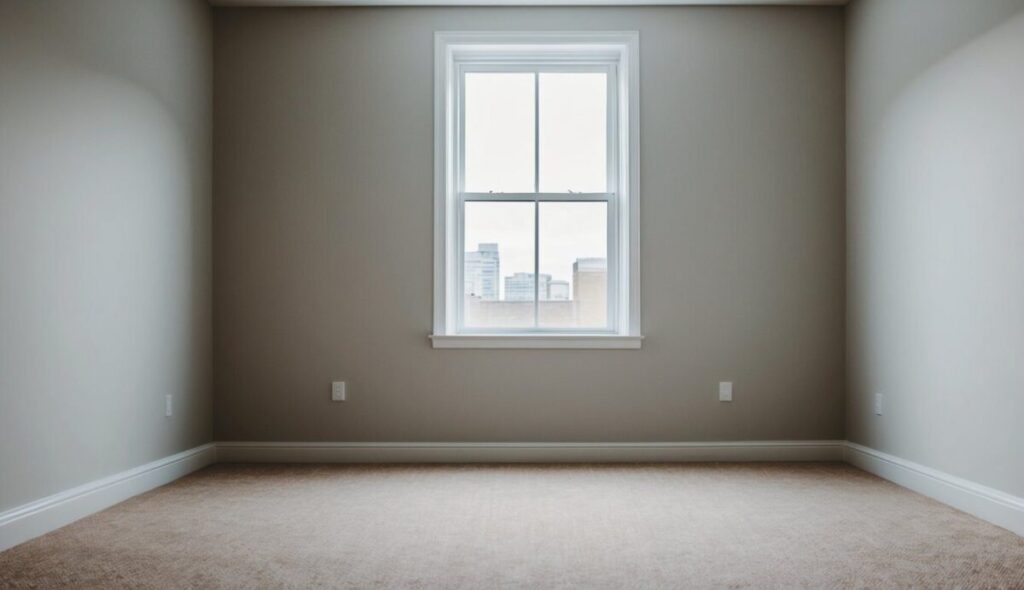
Optimal drying conditions speed up how fast paint dries. You need to control things like ventilation, humidity, and temperature. Getting these right makes sure drying happens quickly – no longer waits or damaged finishes. These environmental fixes mostly affect the dry-to-the-touch time, not the full cure time where the paint completely hardens.
Ensure Proper Ventilation and Airflow
Good ventilation speeds up paint drying. Moving air makes solvents or water evaporate faster from the paint. Without windows or natural breezes, fans help get the air moving. This also takes moisture out of the air right around the paint, so it dries quicker. Make sure to control dust, though. You don’t want particles falling into wet paint.
Control Humidity Levels
Humidity is key when drying paint, so you must control it. High humidity slows things down because the air has too much moisture; solvents or water just can’t evaporate. About 50% humidity works best. Dehumidifiers pull extra moisture out of the air, making the paint dry faster.
Manage Room Temperature
Keep the room cool and steady. That helps things dry well. Some paints need certain temperatures to cure and harden right.
What Application Techniques Speed Up Paint Drying?
How you paint changes how fast the paint dries. Good painting speeds up drying and gives better results. It stops problems like wrinkling or soft spots.
Apply Thin, Even Coats of Paint
Thin, even paint coats dry faster. That happens because thinner layers let solvents or water evaporate more quickly. Thick paint often causes problems – picture wrinkled “skin” on the surface, or paint that just won’t harden, even after days. This approach cuts down on drying time and gives you a finish that’s both smooth and long-lasting. It also stops things like paint bubbles from appearing.
Allow Adequate Dry Time Between Coats
Giving paint enough time to dry between coats is vital. It lets the paint cure and stick properly. Hurrying this step, even with thin coats, leads to problems like lifting paint, poor adhesion, or a spotty finish. Paint might feel dry – to the touch, many paints do – but it could still be curing. Reading the manufacturer’s directions for dry times between coats makes sure each layer fully dries before you add the next. This helps the whole project last longer and look better.
What Paint Additives and Products Accelerate Drying?
Several additives and products make paint dry faster. These include chemical additives, drying agents, and special mediums. Always use these items carefully. Check they work with your specific paint type. This keeps the finish looking good and maintains archival quality. Thinners can also affect how paint dries and hardens.
How Do Different Paint Types Affect Drying Time?
Paint type greatly affects how fast it dries and cures. Water-based, oil-based, acrylics, lacquers, and catalyzed paints all have different chemicals and dry in unique ways. Knowing these distinctions helps you pick the right paint for a job. It also sets proper expectations for drying speed and how tough the finished surface will be.
Choose Fast-Drying Paint Formulas
Choose paints made for quick drying to cut project time. Acrylics dry fastest among common types. Catalyzed paints, for instance, epoxies, harden through a chemical reaction, which brings quick curing and lasting strength. Newer water-cleanup items also dry quicker than old oil-based paints. The amount of pigment changes drying speed. Some paints – especially those with more pigment – dry faster. For example, fast-dry latex paint can drop drying time between coats from 4-6 hours to only 1-2 hours.
Understand Dry vs. Cure Times for Oil-Based Paints
Oil paints dry slowly. They feel dry in about a day, but they need several weeks to harden completely. Until then, the paint stays soft and scuffs easily. This type of paint dries from the bottom up, hardening through a chemical reaction. You can speed up the drying with an additive like Japan drier, but the full cure still takes time. These paints soak into surfaces and give a tough finish.
Distinguish Water-Based from Oil-Based Drying
Water-based products and oil-based paints dry in different ways. Water evaporates from the top of water-based coatings, causing them to dry from the outside in. They feel dry fast – often within an hour – but still need more time to fully cure. Waterborne products are tough and dry quicker.
Using Specialized Tools to Speed Up Paint Drying
Special tools can make paint dry faster, especially for small items. These tools use either heat or more airflow. This speeds up evaporation or helps the paint cure. Just be careful not to damage the paint or the item – you want that finish to stay smooth.
Employ Hairdryers or Heat Guns with Caution
Hairdryers and heat guns dry paint faster. They use heat and airflow, which helps small items especially. A travel hairdryer works well for this. But too much direct heat can cause problems. Paint might bubble, crack, or change color. So, use these tools carefully. Keep a safe distance from the painted surface and make sure the area is ventilated. This keeps the paint from getting damaged. Miniature painters find this method quite useful.
Utilize Controlled Heat Chambers for Small Items
Smaller painted pieces dry and cure faster in controlled heat chambers. Think of a food dehydrator or a toaster oven. A dehydrator, for example, speeds up the process. Set it to 100-120°F, and epoxy cures overnight; paint dries quickly too. A toaster oven works similarly, really getting the paint dry. These devices deliver steady, even heat for a complete dry and full cure. Just watch closely to avoid overheating or damage.
Important Considerations for Faster Paint Drying
You can speed up paint drying, but several things dictate a good, lasting finish. Think about surface prep, the real limits of faster drying – and its impact on quality. You might also worry about UV resistance or how fast drying hurts archival quality. Ignore these points, and even quick-drying paint can fail.